Self-sufficiency does not run like a machine. It is more like an hourglass: quiet, slow and circular.
One often believes a project is finished. Yet while the bread rises in the oven, the next thought is already waiting: the truffle tree still needs planting, the olives need water, the well is working, the battery is charging and the sourdough continues living in its jar although nobody is watching.
Everything interlocks.
As the first small loaves open and the crust slowly cracks, cowbells ring somewhere higher on the mountain. No artificial sound, no smartphone signal. Simply metal, animal, wind and distance.
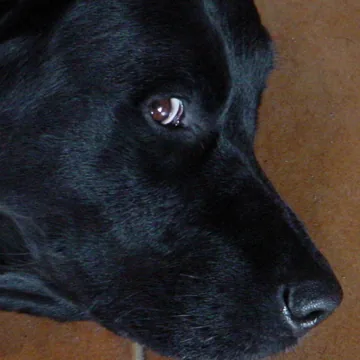
The dog lies beside the oven and watches the land as if that were the most important task in the universe.
The smell of wood, flour and a little smoke drifts across the terrace. The oven continues working with stored heat. No hectic technology, no flashing displays. Only stone, mass and time.
The first obstacle to self-sufficiency is not technology, money or even knowledge. It is inertia.
The easiest way is always the same: take everything from the supermarket shelf, drive home, open the bag and then slowly bore oneself to death in front of a screen. It works surprisingly well. That is why so many people do it.
Self-sufficiency often begins with a small decision: not to choose the most convenient path.
Baking bread yourself takes longer, makes a mess, demands attention and sometimes fails. The dough follows its own rules, the oven has character, the temperature fluctuates. One has to observe, smell, feel and improvise.
And something strange happens: life becomes tangible again.
Food is no longer merely a product. It has cost time, consumed wood, required heat and demanded patience.
Self-sufficiency does not mean doing everything alone. It means taking back part of the responsibility for food, energy, water and ultimately one’s own time.
Convenience saves effort in the short term. In the long term it often costs vitality.
In the middle of this seemingly ancient activity appears modern technology. AI helps with baking bread in a wood-fired oven, estimating core temperatures, understanding fermentation and avoiding mistakes.
One can see artificial intelligence as screen, control or dependence. Or as a tool: not a substitute for life, but help in the middle of real life.
AI cannot smell the bread, hear the cowbells, feel the oven heat or see the dog beside the fire. All that remains human.
But it can help people learn faster, understand connections and make old knowledge accessible again.
Perhaps that is its positive side: not removing people from life, but sometimes bringing them closer to it again.
Later, the perfect recipe will probably not be what remains. It will be the smell of wood smoke, the cowbells, the dog beside the oven and the first loaf that truly succeeded.